
Choosing a Compost Bin for a South African Home
Looking for a compost bin? The right one depends less on the bin itself and more on what you want to put in it, how much space you have and how much effort you’re willing to give it.
This guide compares the five main home options in South Africa, so you can choose the one that fits your home, and avoid the most common reason people give up on composting: a smelly heap full of flies.
The five main options
Open compost heap. A pile or open enclosure in a corner of the garden, built up with garden waste and raw kitchen scraps. It’s free and handles large volumes of leaves and grass, but it needs turning, takes time, and must not be fed meat, dairy or cooked food, unless treated with Bokashi Bran®.
Standing compost bin. A closed bin with a lid that sits directly on the soil, so worms and other decomposers can move in from below. It’s tidier than an open heap and suits smaller gardens. Always place it on soil, never on concrete or paving.
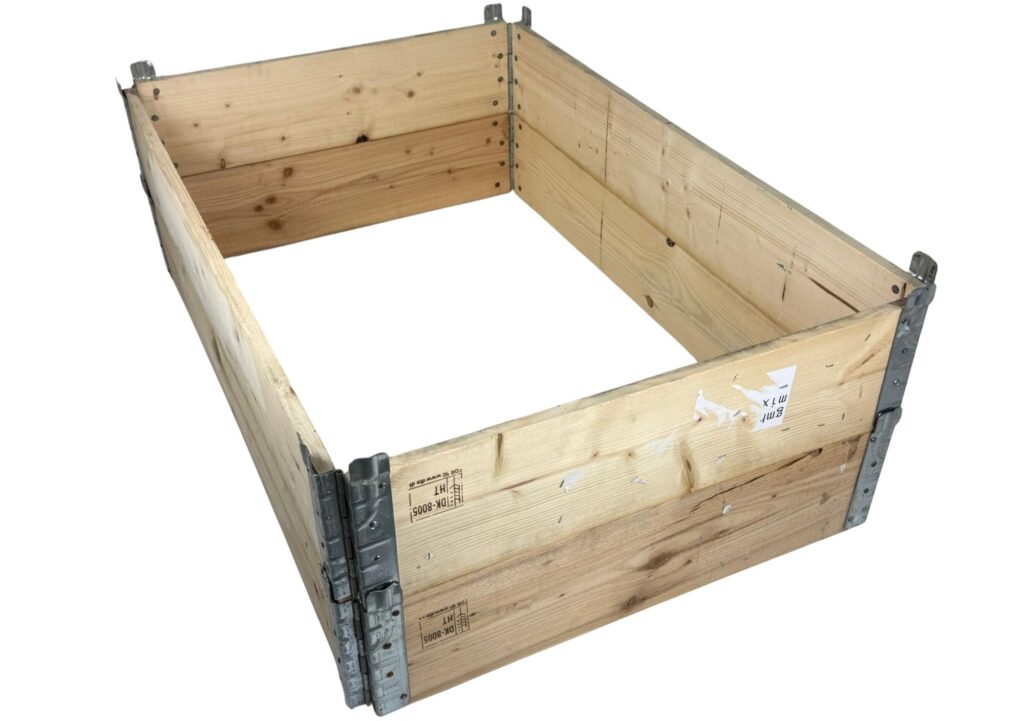
Pallet collar compost box. Wooden tiers that stack neatly on top of each other, so you can add more as your compost grows. Garden waste and food waste go in mixed together. Once a month, lift the top tier off and place it alongside as the new bottom tier, then move the compost across into it. Building from top to bottom like this turns the compost for you. It’s very affordable and easy to scale up.
Worm farm. A system where earthworms bio-digest kitchen scraps and produce worm castings and liquid. Worms are fussy eaters, so a worm farm takes only some kitchen scraps and needs care to keep the worms healthy. Worms will, however, bio-digest all food waste, even citrus, cooked food, meat, bread and dairy if it has been fermented with Bokashi Bran®.
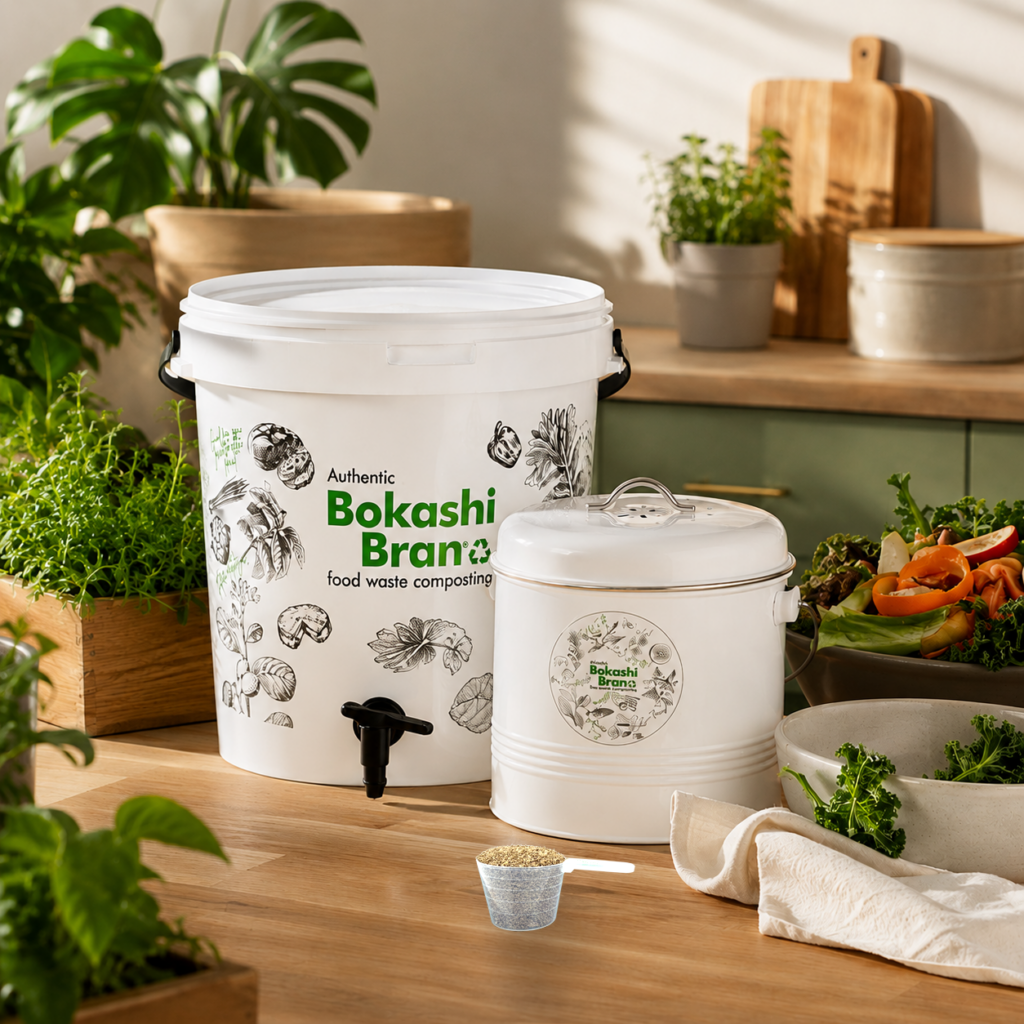
Bokashi bucket. A sealed bucket that sits in your kitchen. You sprinkle Bokashi Bran® over your scraps, and microbes ferment them instead of letting them rot. It takes everything from your kitchen, including meat, bones, dairy and cooked food, with no flies and no rotting smell. The fermented pre-compost then goes into the soil, a compost bin or a heap to finish breaking down.
Side by side
| Open heap | Standing bin | Pallet collar box | Worm farm | Bokashi bucket | |
|---|---|---|---|---|---|
| Meat, bones, dairy, cooked food | Only once bokashi-treated | Only once bokashi-treated | Only once bokashi-treated | Only once bokashi-treated | Yes |
| Garden waste | Yes | Some | Yes | Brown leaves | No |
| Where it goes | Garden | Garden, on soil | Garden | Patio or garden | Scullery or garage |
| Space needed | Large | Small to medium | Medium; add tiers as it grows | Small | Very small |
| Smell and flies | Can be a problem with raw scraps | Possible if overloaded | Low if turned monthly | Low if well kept | No; sealed and fermented |
| Effort | Turning and balancing | Moderate | Move the top tier down once a month | Feeding and caring for worms | Add scraps and bran, close the lid |
Every outdoor option has the same catch: none of them can take raw meat, dairy or cooked food without risking smells, flies and rats. Ferment those scraps in a bokashi bucket first, and every option on this list can take them.
Which one suits your home?
A flat or apartment with no garden. A bokashi bucket is the only option on this list that works fully indoors. Bury the pre-compost in large pots and planters, or give it to a friend, neighbour or community garden that can dig it in.
A townhouse with a small garden. Pair a bokashi bucket in the kitchen with a standing compost bin outside. The bucket takes every kitchen scrap; the bin finishes the job in a few weeks and keeps things neat.
A family home with a big garden. Use a bokashi bucket for all your food waste, and a pallet collar compost box for leaves, grass clippings and prunings. Adding bokashi pre-compost to the heap gives it a boost of microbes and nutrients.
Our pick for bigger gardens: the pallet collar compost box. Moving the tiers once a month gives you a steady supply of rich compost with very little effort. It’s affordable, it grows with your garden, and you’ll find it in our shop.
Keen on worms? A worm farm works well alongside bokashi too. Add small amounts of pre-compost at a time rather than a whole bucket.
The best of both: bokashi plus a compost bin
For most homes, the winning combination is a bokashi bucket in the kitchen and a standing compost bin in the garden. The bucket deals with every scrap, cleanly and without smells. The bin turns the pre-compost into rich soil.
Here’s how to finish bokashi pre-compost in a standing bin:
- Place the bin on soil, not concrete, so decomposers can get in.
- Start with a few spades of soil or potting compost at the bottom.
- Add the contents of your fermented bokashi bucket.
- Cover with a few more spades of soil, leaves and grass clippings.
- Close the lid.
After four to six weeks, most of the pre-compost will have turned into concentrated, rich compost. Scoop it out and mix it into your garden beds or pots.
Ready to start?
Our bokashi kits come with everything you need to keep all your kitchen scraps out of the dustbin from day one. New to bokashi? Start with our beginner’s guide. For more on how the two methods compare, see Old School Composting vs Bokashi Composting.
Questions about which setup suits your home? Email info@bokashibran.co.za or call 082 456 9225.